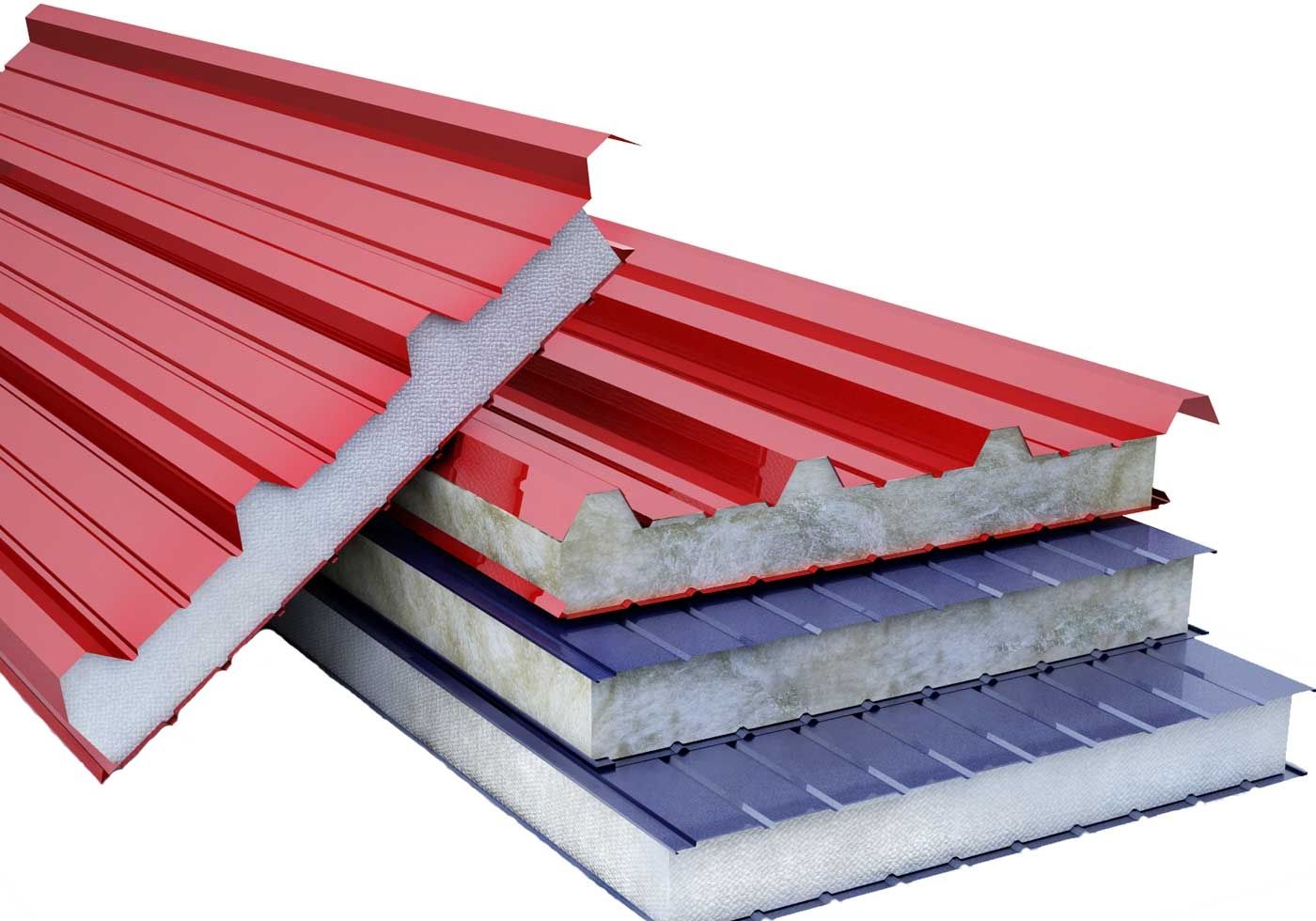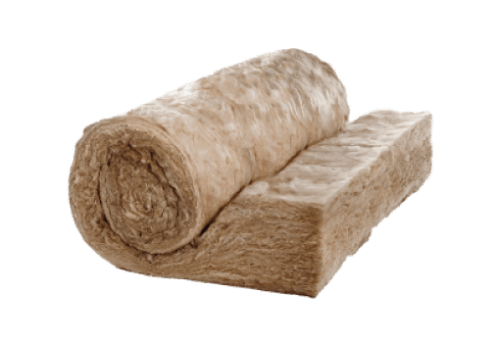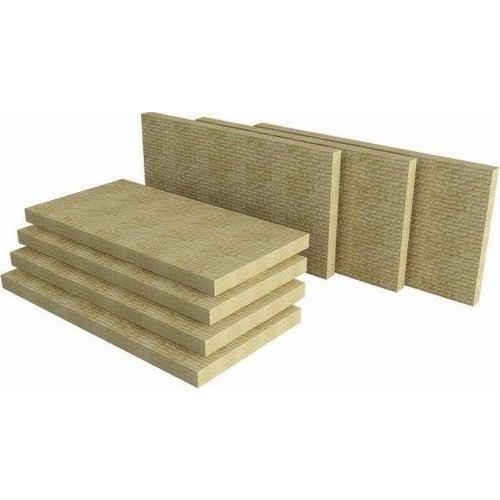
Stone wool is a fire-resistant, water-repellent heat and sound insulation material containing 97% natural fibers and produced by melting minerals and inorganic stones derived from volcanic rocks such as basalt, diabase and dolomite between 1400-1500 °C to form fibers. Stone wool, also known as mineral wool or rock wool, is a type of insulation material that is primarily made from natural minerals such as basalt or diabase, which are melted and spun into fibers. It's commonly used as thermal and acoustic insulation in buildings, industrial applications, and various other contexts. The process of creating stone wool involves several steps: Raw Material Preparation: Natural minerals, like basalt, are heated to extremely high temperatures (around 1500°C or 2732°F) until they become molten. Fiber Formation: The molten material is then spun into fibers using a process similar to the way cotton candy is made. The fibers are formed into a mat-like structure. Binding: Binders and additives may be used to help the fibers stick together and to provide certain properties to the final product, such as water repellency or fire resistance. Curing and Cutting: The formed mat is cooled and then cut into various shapes and sizes, such as sheets or batts, which are used for insulation purposes. Stone wool insulation offers several benefits: Thermal Insulation: Stone wool has excellent thermal insulation properties, which means it can help regulate a building's temperature, keeping it warm in winter and cool in summer. Acoustic Insulation: It also provides good soundproofing capabilities, making it useful for reducing noise transmission between rooms or from outside. Fire Resistance: Stone wool is non-combustible and can withstand very high temperatures. This makes it an effective fire barrier and is often used in fire-rated assemblies. Moisture Resistance: Stone wool is naturally water-repellent, which helps prevent moisture buildup and mold growth. Durability: It is long-lasting and doesn't easily deteriorate over time. Environmentally Friendly: Stone wool is made from natural minerals and can be recycled. It's considered a relatively environmentally friendly insulation option. Stone wool insulation is commonly used in residential, commercial, and industrial buildings for various applications, including wall insulation, roof insulation, floor insulation, and as a component in HVAC systems. It's chosen for its combination of thermal performance, fire resistance, soundproofing, and durability.